/eh/2025-01-08/173633966714069467/picture.png)

/eh/2024-12-24/173503345348979036/Favorite-Icon.png)
/eh/2025-07-08/1751962110204480194/picture.png)
/eh/2025-06-21/1750485478958537574/countryInfoIcon.png)
/eh/2025-06-21/1750485741321434291/Hi-Sign-in-My-Nihao.png)
/eh/2025-06-21/1750485837193896318/cart.png)
/eh/2025-06-21/1750485968202533847/cart.png)
/eh/2025-04-17/1744862476612819675/hot-img.png)
/eh/2025-11-07/1762504524550532584/header-icon.jpg)
/eh/2025-07-07/1751875582852206790/header-icon.png)
/eh/2025-07-07/1751875587886277738/header-icon.png)
home
>
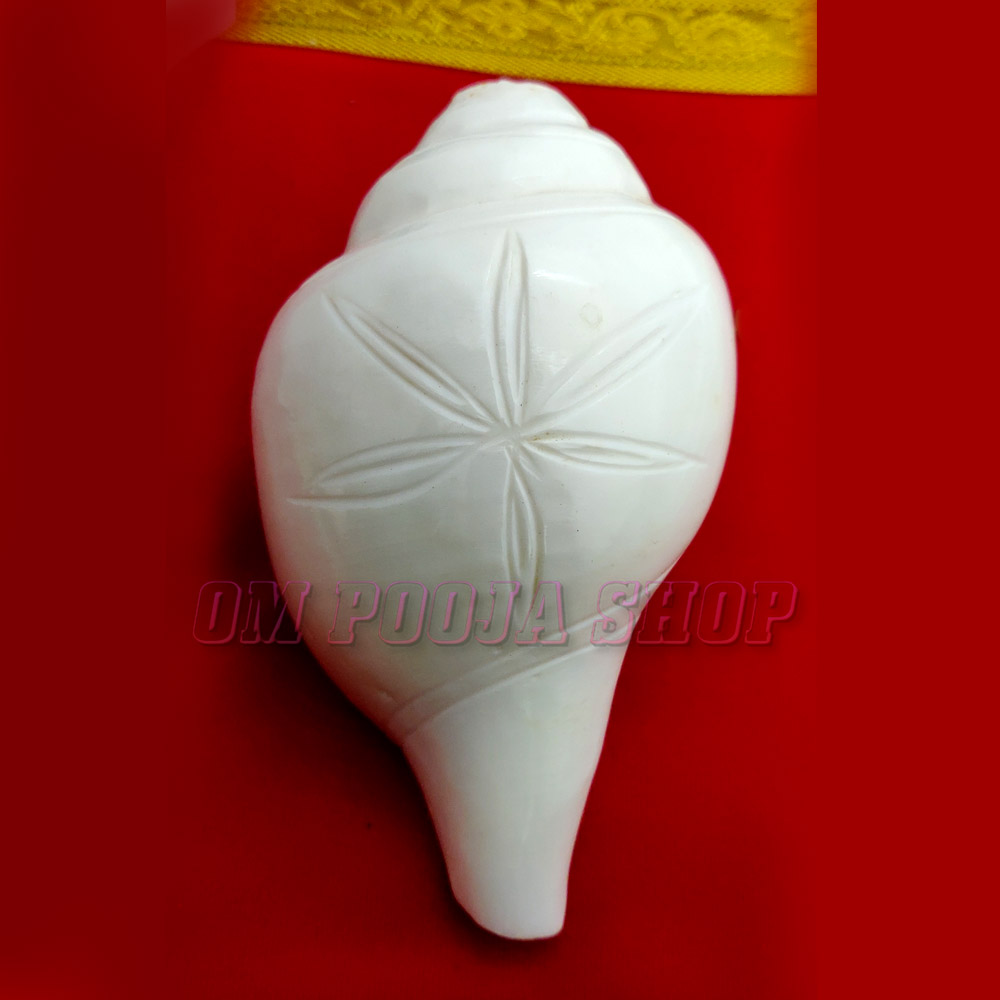
Pavitra Bajane Wala Shankh Flower Design – Natural Blowing Conch Shell for Puja, Aarti & Mandir Use Shankh for Hindu Rituals, Vastu & Spiritual Ceremonies
>
Pavitra Bajane Wala Shankh Flower Design – Natural Blowing Conch Shell for Puja, Aarti & Mandir Use Shankh for Hindu Rituals, Vastu & Spiritual Ceremonies




download picture
description
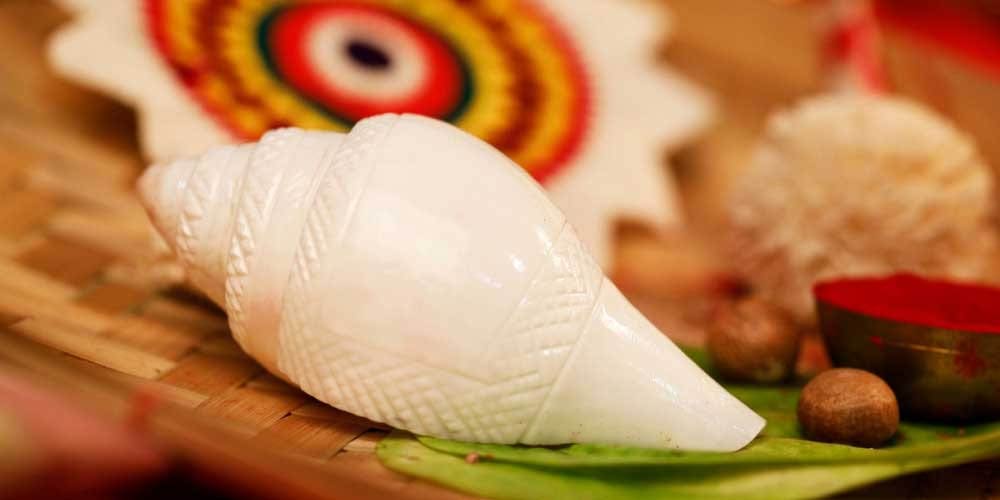
Amazon.com: Natural White Pooja Blowing Sound Shankh for Worship Pooja Diwali 2023: Hindu Priests Worshipping Goddess Durga With Conch Shell Ashtami Puja Blowing Conch buy original dakshinavarti shankh online from India MAYAPURI Natural Non Blowing Puja Shankha or Jal Sankha Pani Wala MAYAPURI Natural Non Blowing Puja Shankha or Jal Sankha Pani Wala. The Natural Blowing Shankh (Bajane Shankh) is a sacred conch shell used in Hindu rituals for blowing during puja, aarti, and temple ceremonies. Carefully selected, this Shankh features a properly shaped mouth opening that allows smooth airflow and produces a clear, resonant sound that enhances the spiritual atmosphere. Ideal for home mandirs, temples, and spiritual centers, it is used during daily worship, morning and evening aarti, Satyanarayan Katha, Lakshmi Puja, Vishnu Puja, and other traditional rituals. Its natural shape and texture reflect authenticity, making it an essential religious item. Other Uses of This Shankh Used to sprinkle holy water during Aarti and religious rituals Ideal for offering Gangajal or sacred water to deities Spiritual Importance of the Shankh The Shankh (Conch Shell) is a sacred symbol in Hindu tradition and is often blown during prayers and religious ceremonies. In ancient times, it was also used as a war trumpet to signal the start of battles. Hindu scriptures praise the Shankh as a symbol that brings good fortune, long life, prosperity, and purification from sins. It is believed to be the abode of Goddess Lakshmi, the goddess of wealth, and is closely associated with Lord Vishnu, who is often depicted holding a conch in his hand. As a symbol connected with water, the Shankh also represents purity, fertility, and divine energy. In many traditions, it is linked with Nagas (serpent deities) and feminine creative power. Mythological Origin According to ancient beliefs, the importance of the Shankh dates back to early times when people used its powerful sound to drive away negative energies and evil spirits. The Brahma Vaivarta Purana describes that Lord Shiva destroyed demons with his trident, and their ashes fell into the ocean and transformed into sacred conch shells. Sacred Sound and Symbolism The sound produced by the Shankh is believed to represent the divine sound Om, the primordial vibration of the universe. Because of this, the Shankh is considered highly auspicious in temples and homes. When Lord Vishnu holds the Shankh, it symbolizes his control over the cosmic sound and universal order. Religious Beliefs from Scriptures According to the Brahma Vaivarta Purana, the Shankh is the sacred dwelling place of Lord Vishnu and Goddess Lakshmi. Bathing a deity using water poured through a Shankh is believed to be as sacred as bathing with water from all holy rivers. The Sankha Sadma Purana states that performing Abhishek of Lord Vishnu with milk is equal to performing millions of yajnas (holy fire rituals), and bathing the deity with Ganga water can free a person from the cycle of rebirth. It is also believed that simply seeing a Shankh removes sins, just as sunlight removes fog. The Padma Purana further explains that pouring water from a Shankh over ones head before worshipping Lord Vishnu is spiritually equivalent to bathing in the sacred Ganges River. Importance in Buddhism In Buddhism, the conch shell is also revered as one of the Eight Auspicious Symbols (Ashtamangala). It represents the spread of the teachings of Buddha and the awakening of spiritual wisdom. Dimensions: 5. 5 inches (W) x 3 inches (H) approx Weight: 340 gm

Shopping security
product description
Why choose thelockerguy wholesale?


-1000x1000.JPG)

Pavitra Bajane Wala Shankh Flower Design – Natural Blowing Conch Shell for Puja, Aarti & Mandir Use Shankh for Hindu Rituals, Vastu & Spiritual Ceremonies
Item no
:
34470767471
US$ 1325.00
Pay in 4 interest-free payments of $1325.00 Learn more
Min. order:
1piece
Shipping Estimate
USAChange
- USA
- CAN
- USA
- CAN
Ships within 48 hours · Estimated delivery May 30 - Jun 4
Enjoy 20% off shipping
US$ 1325.00

1-11
US$ 1192.50
12-35
US$ 927.50
36-59
US$ 795.00
60+
US$
40
Get now
Sign up to your membership to get coupons up to
15
%
Get now
Opportunity to enjoy order discount up to 15% off
Please add the products
Shipping Notes
- Free Standard Shipping on $100+ Orders to the USA.
- Except Preorder products are shipped in 48 hours.
- Delivery to the USA:
- Standard Shipping : 3-10 business days
- If time is of the essence, please consider selecting expedited delivery for faster service.
Exchange/Return Notes
- We offer a 30-day return/exchange service after receiving.
- Final sale items are not eligible for returns or exchanges.
- To process your return/exchange, please contact us at [email protected]
- Please click here for more details>>>Return & Exchange Policy
Discover Niche Categories That Outsell
Top-Converting Item to Boost Your Average Order


recommand products
Similar items
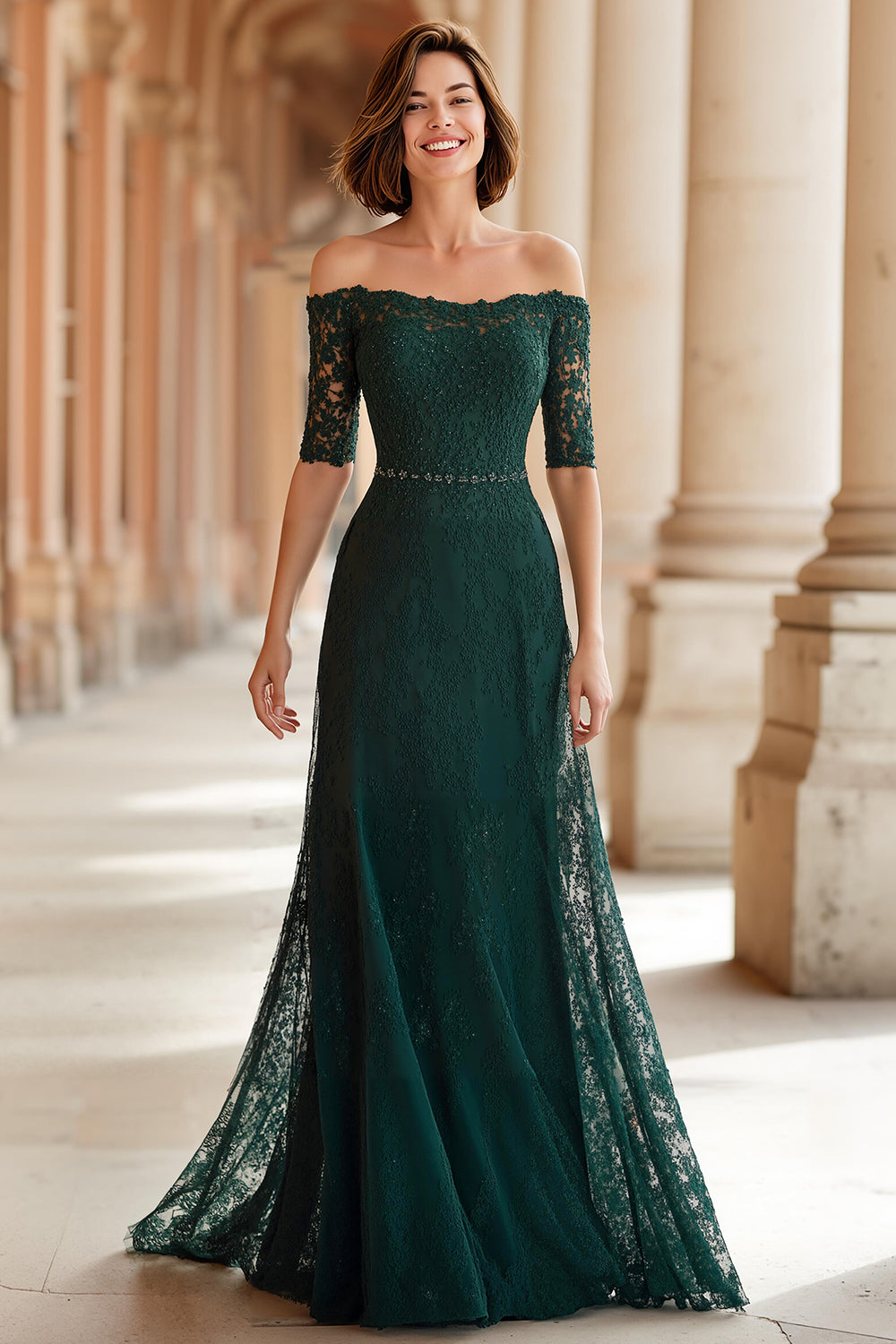
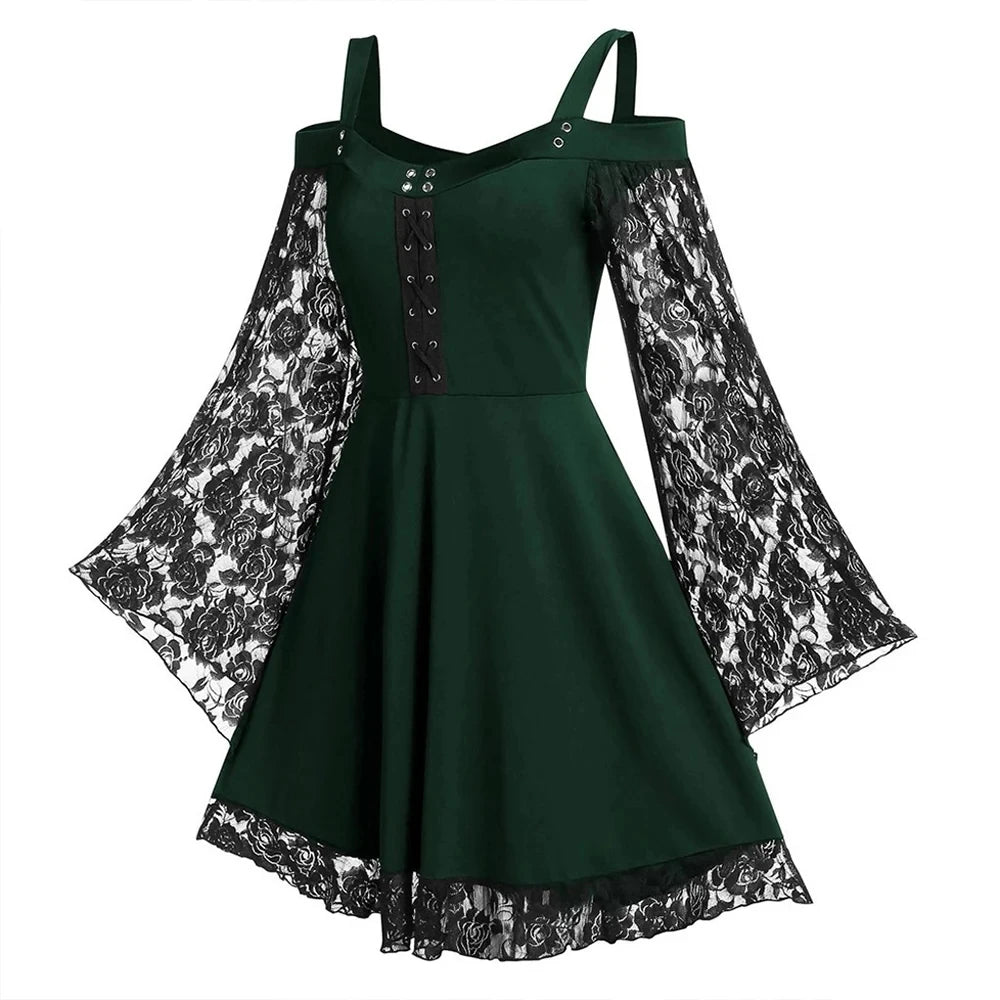
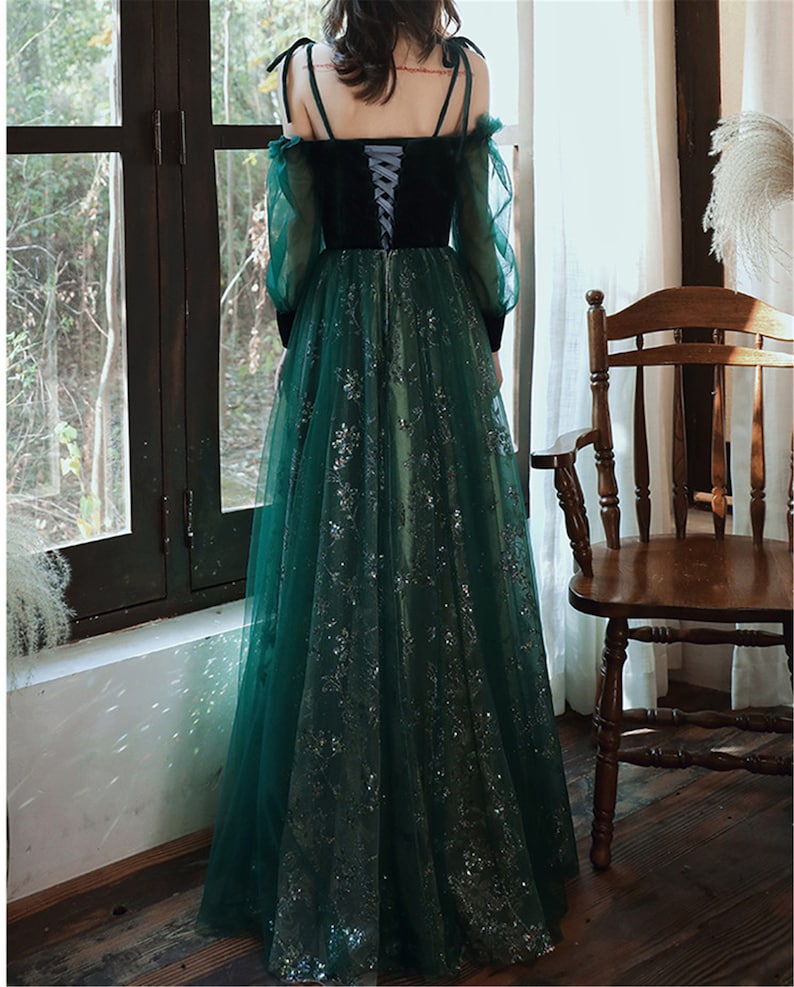
Dark Green Off the Shoulder Lace A-Line Long Mother of the Bride Dress with Sleeves
US$ 20.43
Min. order: 1 piece
sold : Login>>
Similar items

Zapaka Women Sage Green Backless Bridesmaid Dress V Neck Satin Sheath Long Wedding Guest Dress, Sage / US18W
US$ 28.73
Min. order: 1 piece
sold : Login>>
Similar items
Similar items
Similar items
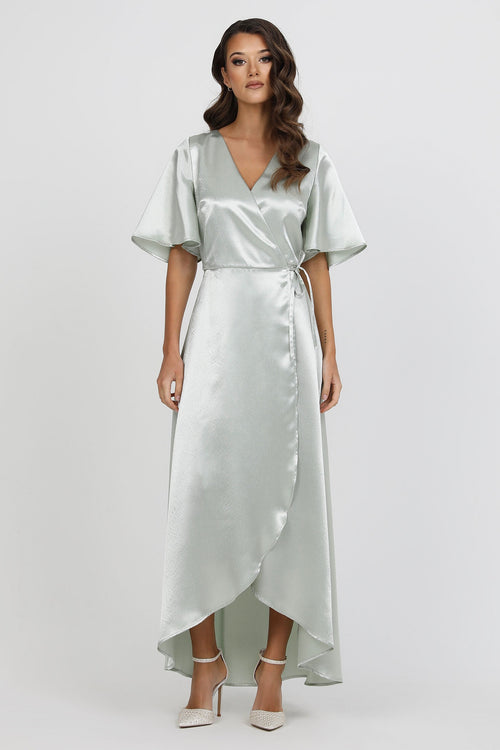
Light Sage Green Wrap Satin Dress With Flutter Sleeves – Désir Couture
US$ 26.18
Min. order: 1 piece
sold : Login>>
Similar items

Open Back Criss-Cross Wedding Dresses with Pockets, SW396
US$ 29.45
Min. order: 1 piece
sold : Login>>